For decades, winter in the mountains followed a familiar rhythm. Snow arrived in December, deepened through January and February, and lingered well into April. Ski holidays could be booked months, even years, in advance with confidence.
Those days are no longer guaranteed.
Across the Alps, North America, and beyond, ski seasons are changing. Snowfall is increasingly unpredictable, winters are shorter, and even some of Europe’s highest resorts can no longer promise consistent conditions from December to spring.
This isn’t alarmism, it’s the new reality of skiing in a changing climate.
And as an industry, and as travellers, we now face an important question:
How do we continue to enjoy the mountains while respecting the environment that makes them possible?
Snow Is Less Predictable — Even at Altitude
In recent years, media across Europe and North America has consistently reported:
- Shorter winters and later snowfalls
- More frequent freeze–thaw cycles
- Greater reliance on artificial snow, especially at lower altitudes
- Mid-season slope closures due to lack of natural coverage
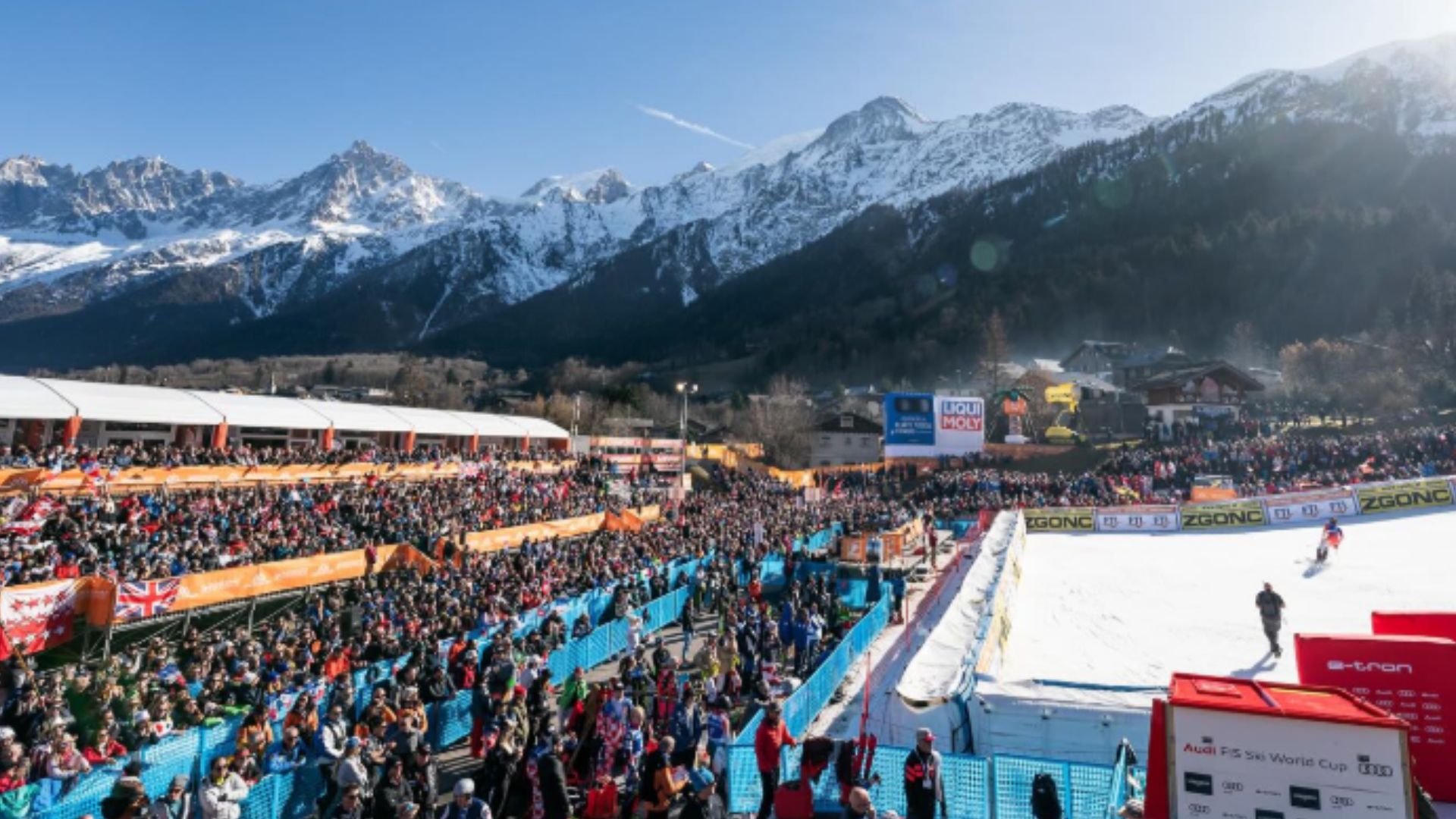
Even iconic alpine destinations like Chamonix (known for its altitude, glaciers, and north-facing terrain) is not immune to wider climate patterns.
Snow still comes. But it no longer comes reliably or uniformly.
How the US Ski Industry Has Responded: Multi-Resort Passes
In North America, ski operators have responded differently. Rather than relying on a single resort’s snow conditions, the industry has shifted towards multi-destination season passes, such as the Ikon Pass.
These passes allow skiers to:
- Access multiple resorts across regions and continents
- Adapt travel plans when snow conditions vary
- Reduce financial risk when one resort experiences poor snowfall
It’s a pragmatic solution to an unpredictable environment and a signal that the industry itself recognises change is already here.
A similar approach already exists in Chamonix through the Mont Blanc Unlimited Pass, which gives access to multiple ski areas across France, Italy, and Switzerland, including Megève and Courmayeur, with a limited number of guest days available for resorts such as Crans-Montana and Verbier.

These multi-area passes work extremely well for seasonal visitors and local residents who can move flexibly between resorts as conditions change.
However, for those travelling specifically for a ski holiday, often with fixed dates, accommodation, and expectations, they offer less certainty and fewer practical benefits.
The Environmental Cost of Artificial Snow
To keep beginner slopes and lower-altitude runs open, many resorts increasingly rely on artificial snowmaking. While snow cannons have become more energy-efficient over time, the environmental impact remains significant.

Artificial snow requires:
- Large volumes of water
- Substantial energy consumption
- Cold temperatures that are becoming less frequent
Media and environmental studies have raised concerns that over-reliance on snowmaking can:
- Disrupt local ecosystems and water cycles
- Increase pressure on mountain resources during drier winters
- Mask deeper structural issues rather than addressing them
Artificial snow can be a short-term tool, but it is not a long-term solution.
Rethinking What a Ski Holiday Looks Like
The future of skiing doesn’t mean the end of winter travel, but it does mean evolving how we approach it.
Mountain destinations like Chamonix offer something incredibly valuable: A year-round relationship with the mountains, not just a snow-dependent one.
Winter here is no longer only about kilometres skied.
It’s about:
- High-altitude skiing where natural snow holds longer
- Ski touring and off-piste experiences that rely less on groomed runs
- Winter hiking, snowshoeing, and alpine exploration
- Wellness, recovery, and time spent in nature
This broader view of a mountain holiday is not a compromise, it’s an upgrade.
How You Can Ski More Responsibly on Holiday
Skiers and travellers play a role too. Small, conscious choices make a real difference.
While on a ski holiday, you can:
- Stay longer in one destination rather than hopping between resorts
- Support accommodation and operators with sustainability initiatives
- Walk, use local transport, or shared transfers instead of private cars
- Balance ski days with non-ski mountain activities
- Respect local environments, forests, rivers, and wildlife corridors


A sustainable ski holiday isn’t about perfection, it’s about intentional choices.
Where Amazon Creek Fits Into the Future of Alpine Travel
At Amazon Creek, sustainability isn’t treated as a trend, it’s part of how we think about time well spent in the mountains.
Our approach focuses on:
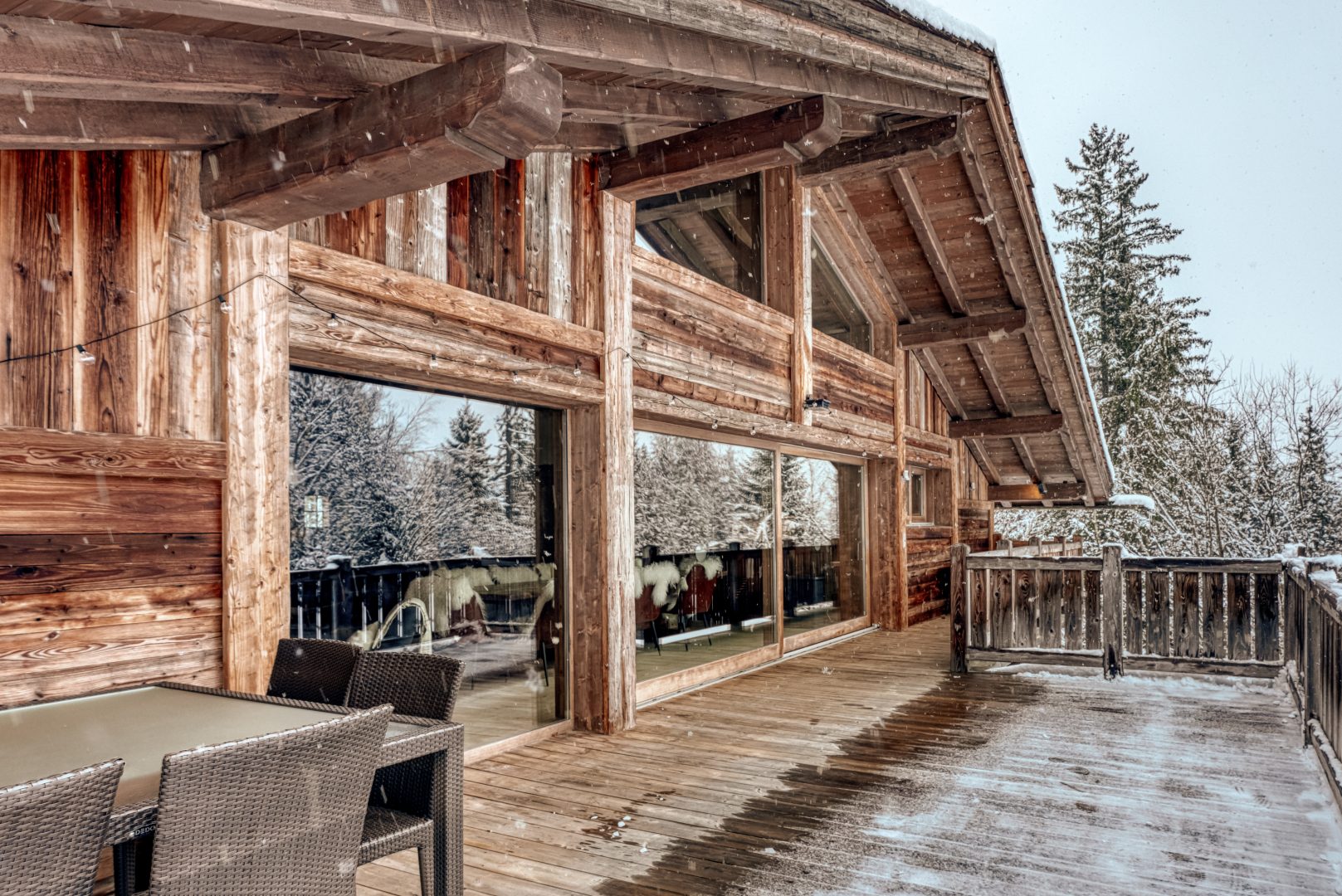
- Thoughtfully designed alpine chalets built for longevity
- Encouraging longer stays and deeper connection to place
- Supporting year-round mountain lifestyles, not just peak ski weeks
- Partnering with local guides, businesses, and communities
- Offering wellness, fitness, and retreat experiences beyond skiing


We believe the future of alpine travel lies in active luxury holidays that leave guests restored, grounded, and more connected to nature than when they arrived.
Skiing Isn’t Ending, It’s Evolving
The reality is this: Ski seasons are changing. Snow is less predictable. The industry must adapt. But the mountains are not losing their magic.
They are inviting us to engage differently, more consciously, more respectfully, and more fully. Places like Chamonix remind us that winter isn’t only something to consume, it’s something to experience.
And when we do it well, the mountains give back far more than a good ski day.